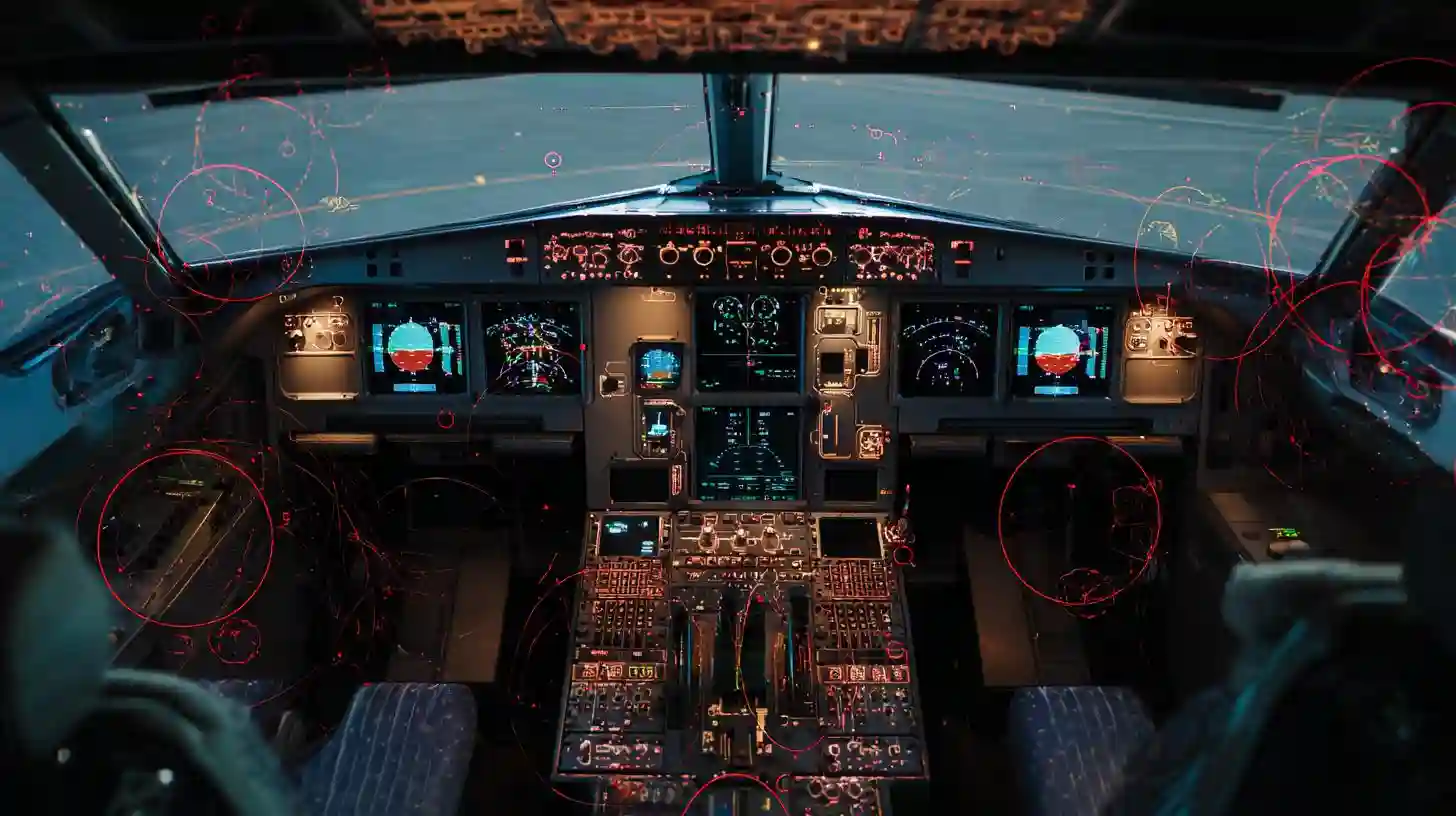
Modern commercial aircraft have seen significant enhancements in cockpit safety features, driven by advances in technology and lessons learned from past incidents. One key improvement is the integration of sophisticated avionics systems that provide pilots with comprehensive situational awareness. These systems include advanced flight management tools, real-time weather radar, and predictive navigation assistance, all designed to help pilots anticipate potential hazards and make informed decisions under pressure. Enhanced human-machine interfaces have also been developed, allowing pilots to interact with these systems intuitively, reducing the risk of operational errors during critical phases of flight.
Cockpit safety has further benefited from the implementation of automated monitoring and alerting systems. These systems continuously track engine performance, fuel status, and structural integrity, immediately notifying the crew if anomalies arise. Such proactive monitoring allows pilots to address potential issues before they escalate into serious threats. Additionally, redundancy in key systems has become standard practice, ensuring that backup controls and instruments are available if primary systems fail, thereby increasing the resilience of the aircraft during emergencies.
Communication enhancements also play a crucial role in cockpit safety. Modern aircraft are equipped with secure, high-bandwidth communication systems that enable seamless interaction between the cockpit, air traffic control, and airline operations centers. These systems facilitate timely sharing of critical information, including route adjustments, weather updates, and emergency instructions. Another area of focus has been crew resource management training, which emphasizes clear communication, coordinated decision-making, and situational awareness among all cockpit personnel. This training complements technological advancements by ensuring that pilots can leverage safety features effectively while maintaining a high level of operational performance.
Ergonomic design improvements contribute significantly to cockpit safety as well. Layouts are now optimized for pilot comfort, accessibility, and visibility, reducing fatigue and enhancing reaction times during high-stress situations. Lighting systems have been refined to support optimal readability and minimize visual strain, and tactile controls have been engineered to prevent accidental activation. Together, these technological, procedural, and ergonomic developments create a cockpit environment that supports both proactive hazard management and rapid response to unforeseen challenges, raising the overall safety standards of modern commercial aviation.