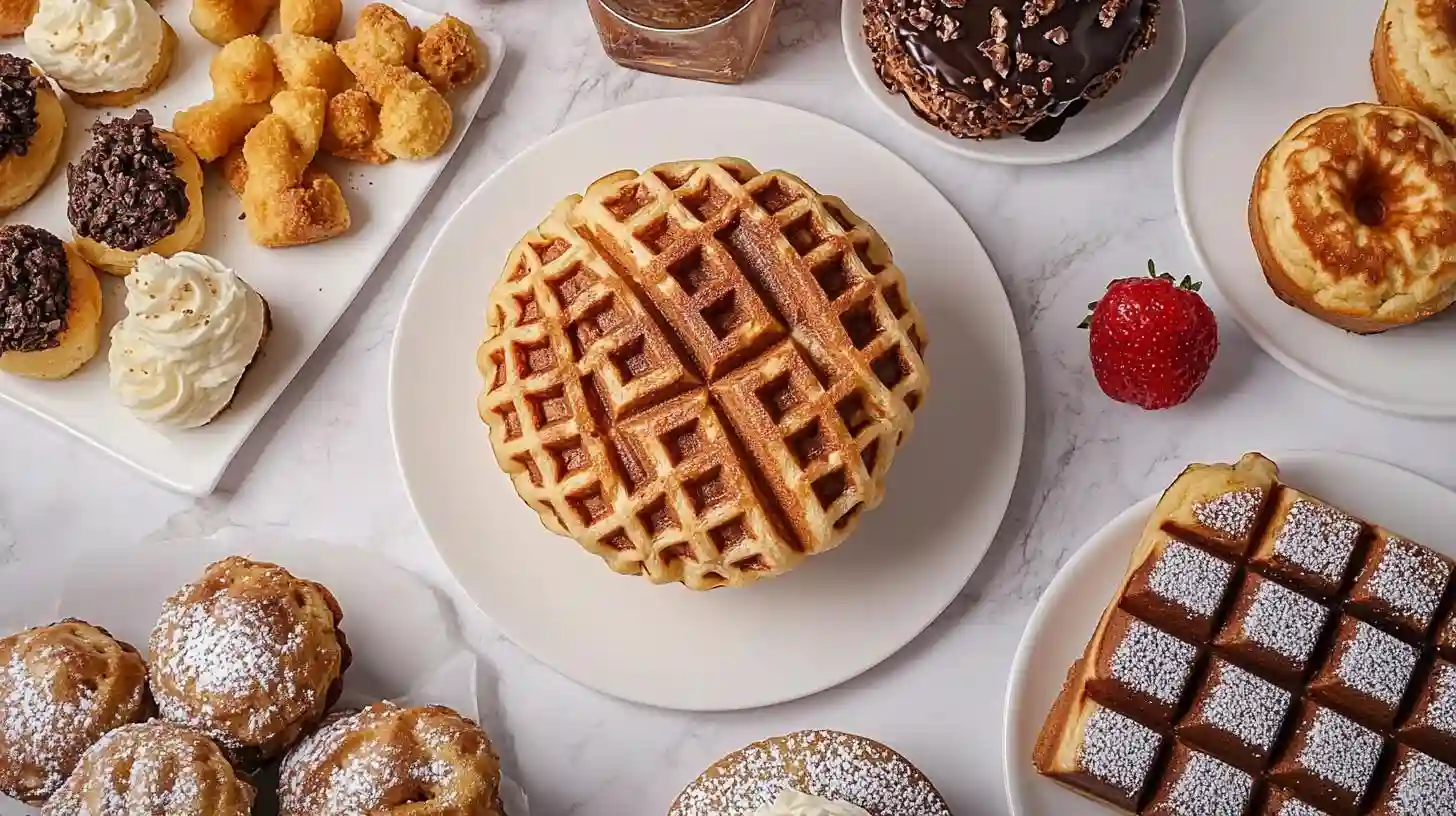
Muffins and waffles, though both delightful breakfast options, represent distinct culinary creations that cater to different tastes and preferences. Understanding the key differences between these two treats can enhance one's appreciation for their unique qualities and diverse uses in meals. While they may share some common ingredients, their textures, preparation methods, and overall purposes on the dining table set them apart in significant ways.
The fundamental difference between muffins and waffles lies in their foundational batter. Muffins are typically made using a batter that combines flour, sugar, baking powder, salt, eggs, milk, and a fat source like butter or oil. This mixture yields a dense, moist crumb structure that is soft and cake-like. On the other hand, waffle batter closely resembles pancake batter, often containing similar ingredients but typically with a higher liquid content. This results in a lighter and airier texture once cooked, which is further enhanced by the waffle iron’s unique grid pattern.
Texture plays a considerable role in distinguishing these two breakfast favorites. Muffins tend to have a crumbly, moist texture with a tender bite. Depending on the added ingredients, such as fruits or nuts, they can take on different flavor profiles, often resulting in a more pronounced sweetness. Alternatively, waffles are characterized by their crispy exterior and fluffy interior. The unique cooking method of waffles, facilitated by the hot metal surfaces of the waffle iron, creates a golden, crunchy outside while keeping the inside tender. This contrast between the outer and inner textures makes waffles appealing for those who crave something both crispy and soft.
Another notable difference lies in the cooking techniques. Muffins are baked in an oven in a muffin tin, which allows them to rise and form their characteristic dome shape. The baking process is relatively straightforward, requiring simply mixing the wet and dry ingredients separately before combining them to form the batter. This simplicity is part of what makes muffins so popular for home bakers, as they require minimal equipment and time. Waffles, conversely, necessitate a waffle iron, which can come in various shapes and sizes. The batter is poured into the heated iron and cooked until brown and crisp, an act that requires more attention to timing, as an undercooked or overcooked waffle can compromise the overall experience.
Serving styles for muffins and waffles also contribute to their differences. Muffins are often enjoyed as a standalone snack or breakfast item, perfect for on-the-go mornings or leisurely weekend brunches. They can be sweet or savory, with common flavors ranging from blueberry to cheddar. Waffles, however, lend themselves to a more elaborate presentation. Topped with syrup, whipped cream, fresh fruits, or even ice cream, waffles can easily transition from breakfast to dessert. This versatility allows them to be featured in both casual meals and more upscale dining experiences, appealing to a wider range of occasions.
When considering nutritional aspects, muffins and waffles can vary significantly based on the specific recipes used. Muffins, while often perceived as a healthier option, can become calorie-dense and high in sugar, especially those with added sweeteners or fillings. Alternatively, waffles provide an opportunity to control portion sizes and ingredients, as they can be made healthier by integrating whole grains or using less sugar. Additionally, the toppings chosen for each can significantly alter their nutritional profiles. A muffin topped with sugary frosting and a waffle drenched in syrup can quickly transform either option into a calorie-laden treat rather than a wholesome breakfast.
Culturally, both muffins and waffles hold significant places within various culinary traditions. Muffins are often associated with British cuisine, having evolved from bread-like baked goods into the softer, sweeter versions enjoyed today. Waffles, with origins tracing back to medieval Europe, have a rich history entwined with different regional variations, from the Belgian waffle to the Liège waffle. Each version brings its unique flair, showcasing the adaptability of both pastries within global gastronomy.
In the realm of food pairings, muffins and waffles also reveal distinct preferences. The moist density of a muffin pairs well with hot beverages such as coffee or tea, enhancing the cozy experience. Waffles, with their crisp texture and ability to hold toppings, shine when served with indulgent items like rich maple syrup or seasonal fruit compotes, creating a more decadent meal.
Ultimately, muffins and waffles, while both enriching breakfast menus, are culinary creations that appeal to different mood, ambiance, and tastes. Whether one prefers the hearty, comforting nature of a muffin or the indulgent, celebratory essence of a waffle, each has its rightful place in the varied landscape of breakfast foods. Recognizing these differences allows home cooks and food enthusiasts alike to make informed decisions on when to whip up a batch of muffins or to break out the waffle iron, ensuring that each bite brings joy and satisfaction.